

Blemishes
DERMAL DISTINCTION
Cosmetic Anti-Ageing & Skin | Balwyn North
Blemishes
Dermal Distinction
ANTI-AGEING & SKIN
.
.
Skin Tag removal
What are skin tags?
Skin tags are small balls of skin that form in areas of the body where skin rubs against skin. They are most common on the eyelids, armpits, neck and upper chest.
As skin tags are usually harmless, people have them removed for aesthetic or cosmetic reasons.
How do you remove skin tags?
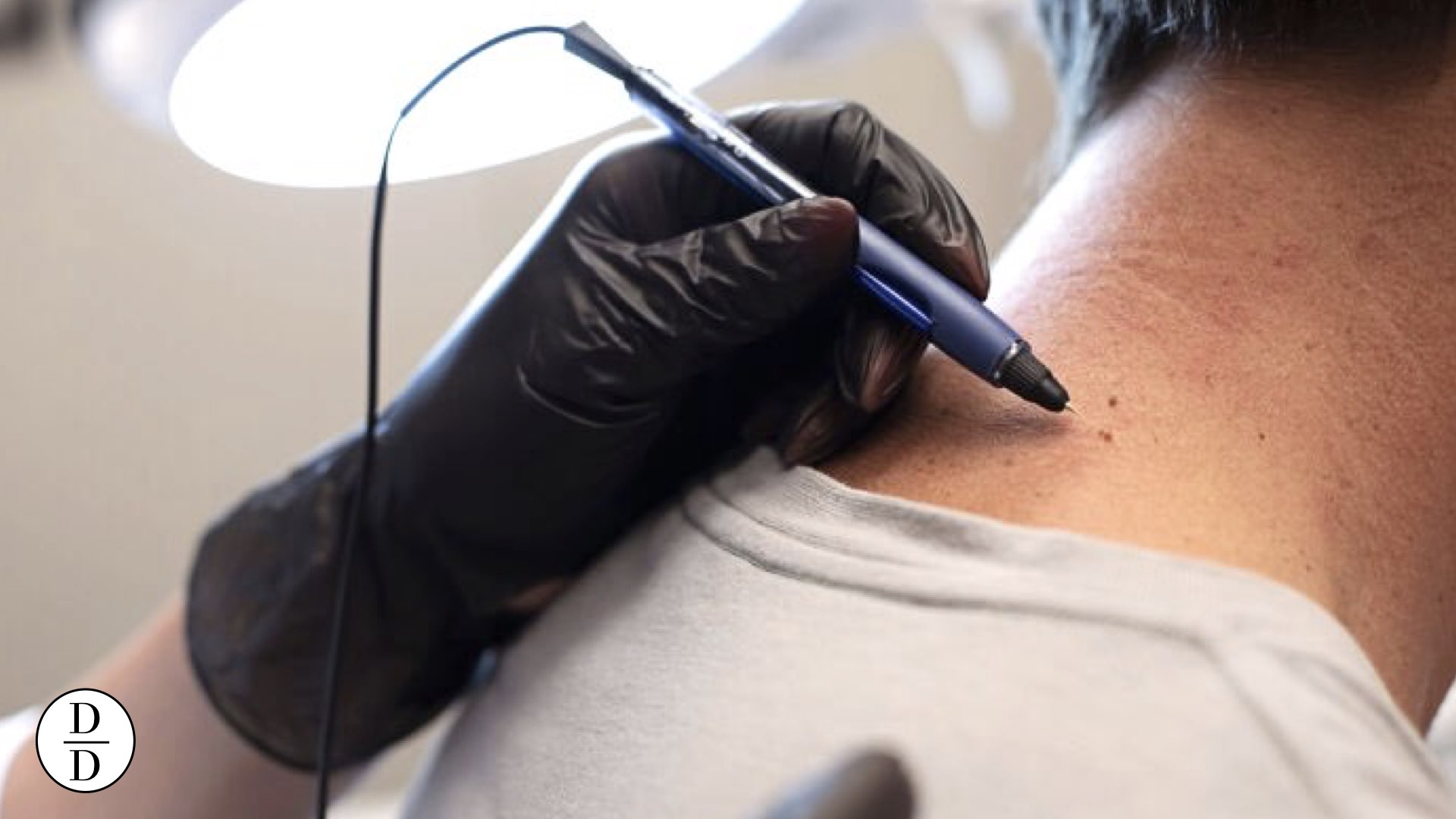
We use the Vasculyse technology to heat the attachment of the skin tag, so that it simply falls off immediately. The skin will appear a little red after treatment, but there is no downtime, and complete healing usually takes around 7 days.
.

.
Sun Spots
What are sunspots?
Sun spots are flat brown areas of pigmentation that develop in areas where your skin has been exposed the sun. They most commonly occur on the face, shoulders and chest.
How do you remove sun spots?
We use an advanced system to freeze the area called Cryotherapy, so that the sun spot will simply fall away. Treatment is quick, easy and comfortable.
It is important to get regular skin checks to reduce your risk of undetected skin pathology.
.
.
Milia removal
What are milia?
Milia are commonly found on the skin of people of all ages. They are formed when keratin (a substance produced by the skin) becomes entrapped beneath the outer layer of the skin, forming a tiny cyst. An individual milium (the singular of milia) is formed at the base of a hair follicle or sweat gland.
How do you remove milia?
Milia are easily removed by one of two methods.
1. We can 'extract' them. The dome is pierced and the milia is lifted out of the skin.
2. We can use the 'Vasculyse RF' technology. This literally melts the milia in just a second or two, leaving the skin smooth and intact.
How do you know it is a milia?
Milia most often happen around the delicate parts of the face, such as your eyes.
How do I prevent milia?
Milia can’t totally be prevented. For adults, good skin care can help prevent milia and other conditions.
Use sunscreen and moisturizer. Milia tends to happen when you have too much sun exposure. Your skin becomes leathery, making it harder for the dead cells to fall off.
Sunscreen and moisturizer will keep your skin soft and flexible so it can replace itself the way it should. Use sunscreen, even during the winter and when you’re indoors near windows for long periods of time.
Avoid thick creams or ointments. These can irritate your skin and clog your pores, preventing natural exfoliation.
Keep your face clean. Dirt and sweat will build up and clog your pores. This can lead to acne and skin problems.
Removing the daily grime from your face will allow your skin to exfoliate. Keep your face clean to help your skin shed the dead cells.
.
.
Book a consult
Let's get you started on your treatment. We will start with a thorough consultation to see what type of skin treatments are right for you.
.