Dermal Treatments
DERMAL DISTINCTION
Cosmetic Anti-Ageing & Skin | Balwyn North
Dermal Treatment
Dermal Distinction
ANTI-AGEING & SKIN
Dermal Treatments | At a glance
1-2 treatment
6-18 months
1 hour
Low - Medium
Varies | Comfort +
45-60 mins
Cosmetic practitioner (Dentist)
Same day
Top Questions
What are dermal treatments used for?
What happens during a dermal treatment consultation?
What are the side effects and risks of dermal treatments?
How do you prepare for dermal treatment?
How much do dermal treatments cost?
Dermal treatment overview
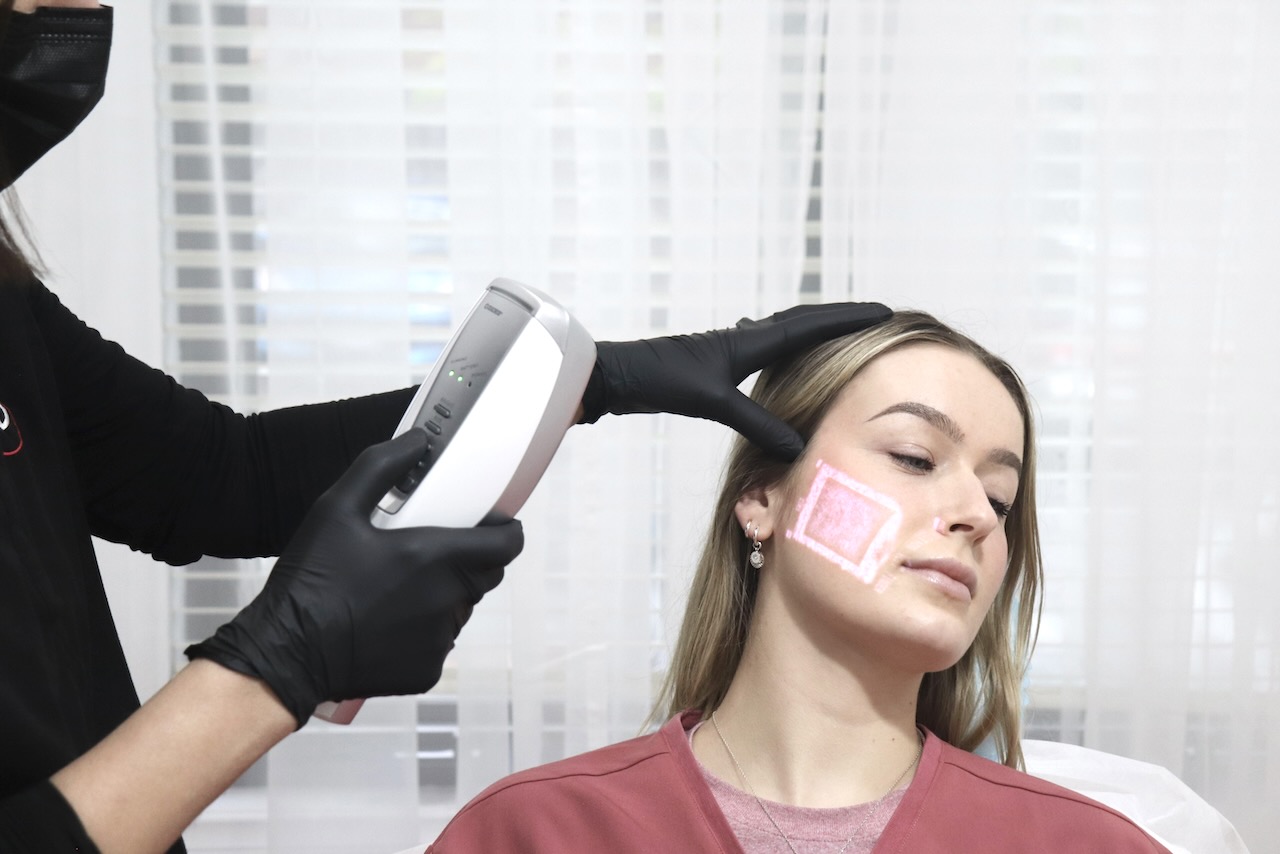
Dermal treatments can vary and are aimed at the deeper layers of the face. As we get older the deeper layers can get thinner, losing fat volume and bone structure. As a result, the skin can drape differently over time. Dermal treatments can vary and are aimed at the deeper layers of the face. Different treatments can be used to treat many of areas of the face and neck. Some of these treatments can be part of an anti-ageing treatment plan that will be developed within your cosmetic consultation. This may involve a prescriptive approach with your health practitioner.
Why does our face age?
As we age, natural ageing factors such as loss of facial fat, change in the structure of bones, gravity and loss of elastin and collagen can result in deep lines, saggy skin and areas of hollowing over the face. This combined with external factors such as sun damage and dynamic wrinkles can further cause changes in the once full and supple face.
Dermal techniques
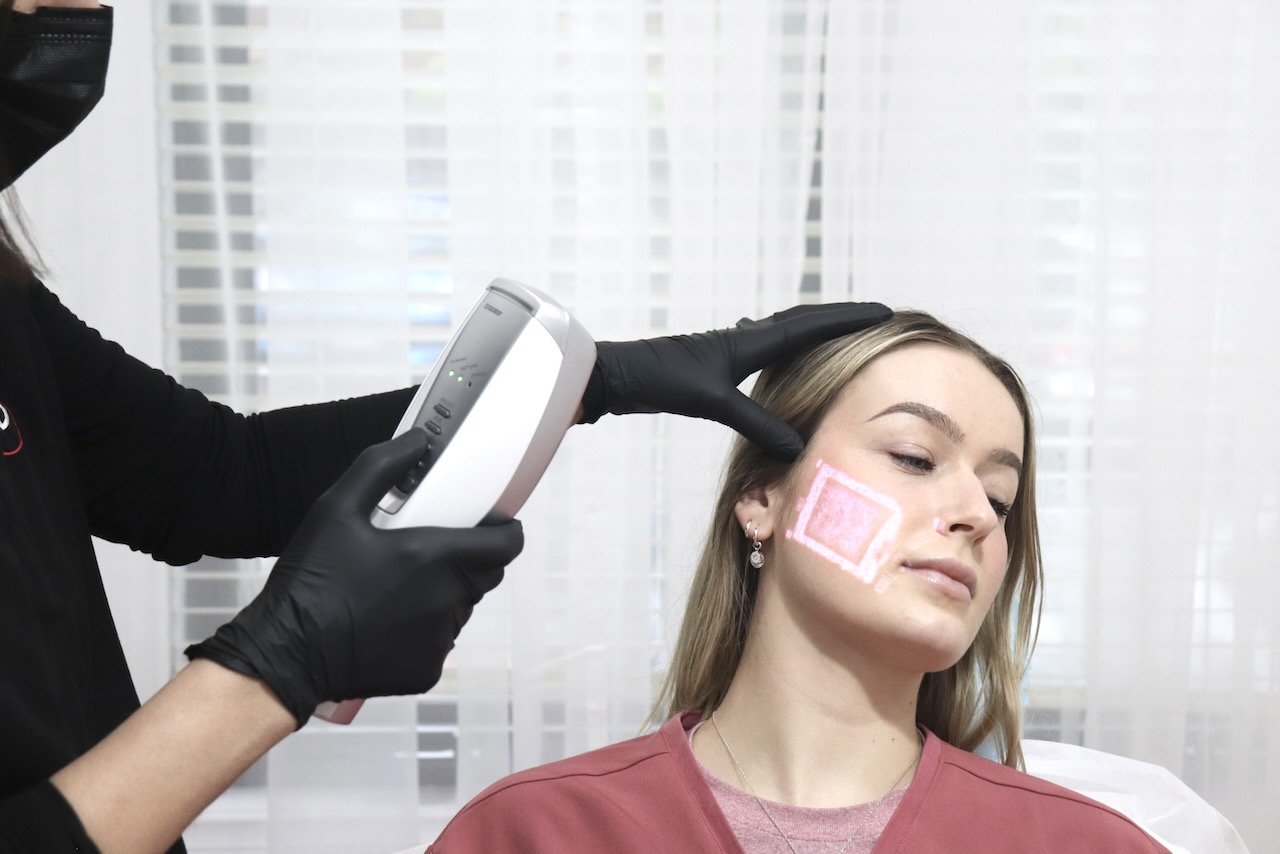
As you age, you begin to lose volume and bone mass. At Dermal Distinction, we believe treatments are best used to preserve and even correct your facial bone structure. Before we choose the treatment, we always start by diagnosing the problem, examining bone structure and fat pads and then determining the best product to preserve structure, reduce ageing and improve lift and contours.
Fine Line Treatment
A skin cosmetic medical treatment can be used to target the skin layers. This boosts hydration and can help reduce fine lines.
Like all cosmetic medical treatments, you will need a cosmetic medical consultation before we determine the best treatment for you. Once you have your consultation, we will discuss the options, treatment best suited to you, costs, benefits and expected outcomes. In some cases no treatment may be required. In other cases, multiple treatment modalities may be combined for best outcomes.
Jaw Sculpt (Men)
The shape of an ideal male jawline is wide, strong and sharp. In some people, the jawline is weaker than desired. In other people, the jawline gets weaker and less defined over time.
We have a number of treatment options, that include skin treatments like laser to cosmetic medical treatments.
Mouth Jowl Support
No one likes it when they develop jowling on the sides of the mouth as they age. We have treatments that can tighten the skin and other cosmetic medical treatments to reduce the appearance of jowl formation.
Chin Projection
Chin position can create facial profiles that are not always ideal. We can offer a number of options, such as assessing your dental bite, referral to an orthodontist, or assessment for cosmetic medical treatment. The result of the cosmetic consultation may require that a prescription is made for your treatment plan.
MidFace Cheek Volume
As we age, we see the greatest change in the mid-face and cheeks. We notice the formation of the nasolabial fold, the under-eye bags and flattening of the cheekbones. During your cosmetic consultation with our health practitioner, we will carefully calculate and measure the position of the fat and bone loss. Then a treatment plan will be prescribed for you to address any concerns that you hold.
Tear troughs
Tear troughs are a natural part of anatomy, but some deepen with age. We do have skin and cosmetic medical procedures that can target these areas.
You will require a cosmetic medical consultation with Dr Giulia D'Anna to determine the best treatment for you. Your consultation may result in a prescriptive treatment plan.
Jaw Sculpt (Women)
The shape of an ideal female jawline is narrow, delicately contoured and has a thin chin. In some people, the jawline is squarer than desired. In other people, the jowls become more prominent and more noticeable over time.
We have a number of treatment options, that include skin treatments like laser to cosmetic medical treatments.
Subtle Lip Restoration
Lip shape is highly variable between people, but also over time. We have cosmetic medical treatments for the lips. You will require a consultation with our registered health practitioner before we can determine the exact nature of treatment for you. After the consultation, we will prescribe the best treatment for your concerns.
Nose shape
As we age, our nose loses collagen, revealing divots and lumps that were previously unseen. The tip of the nose can also take on a downturned appearance. We have treatments and options available that can address nose shape. For some people, this may require referral to a surgeon for assessment. For other people, the cosmetic consultation may result in a prescription for cosmetic medical treatment.
Smoker’s Lip Lines
Due to the loss of collagen and muscle tone around the mouth, fine lines and creases start appearing around the lips. These can be minimised with the support of a dermal treatments. For some patients this may be laser treatments. For other patients, we may require cosmetic medical prescribed treatments. We will determine the best options for you when you have a cosmetic consultation with our health practitioner.

How do Dermal treatments work?
Dermal treatments can be used to restore the volume, contour the shape of the face and enhance facial features naturally. Some treatments improve skin firmness, others will be aimed at the deeper layers.
The longevity of dermal treatment varies, according to the actual treatment process best suited to you, that you need, your natural body metabolism and the area of the face that is being treated.
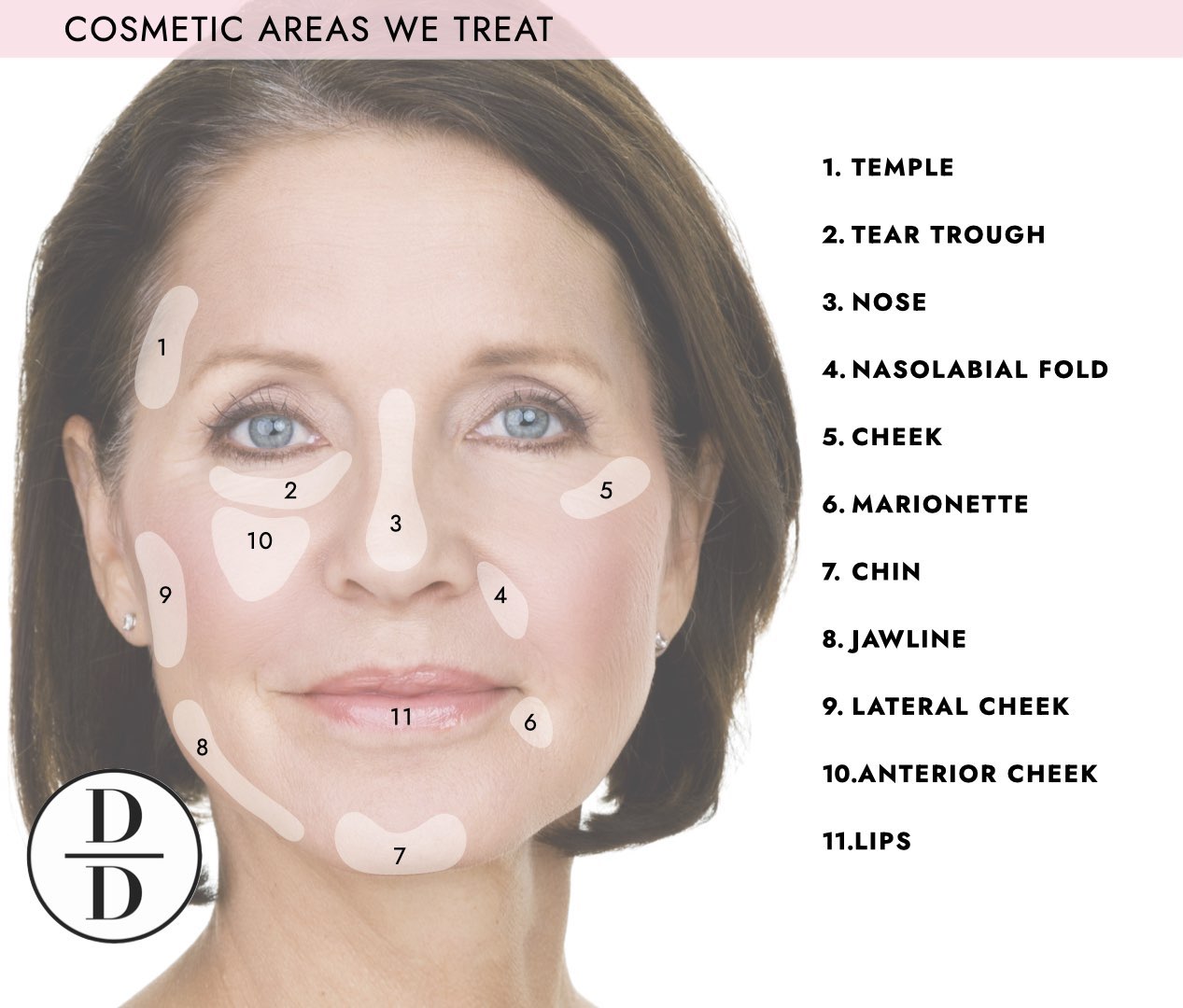
What are areas of the face do we treat?
Some of the more popular treatments include:
+ Lips
+ Smokers lines
+ Nasolabial folds and marionette lines.
+ Cheeks and temples
+ Tear trough and eye rejuvenation
+ Chin & Jowl treatments
+ Jawline contouring & structure
+ Nose shape
How should I prepare for my dermal consultation?
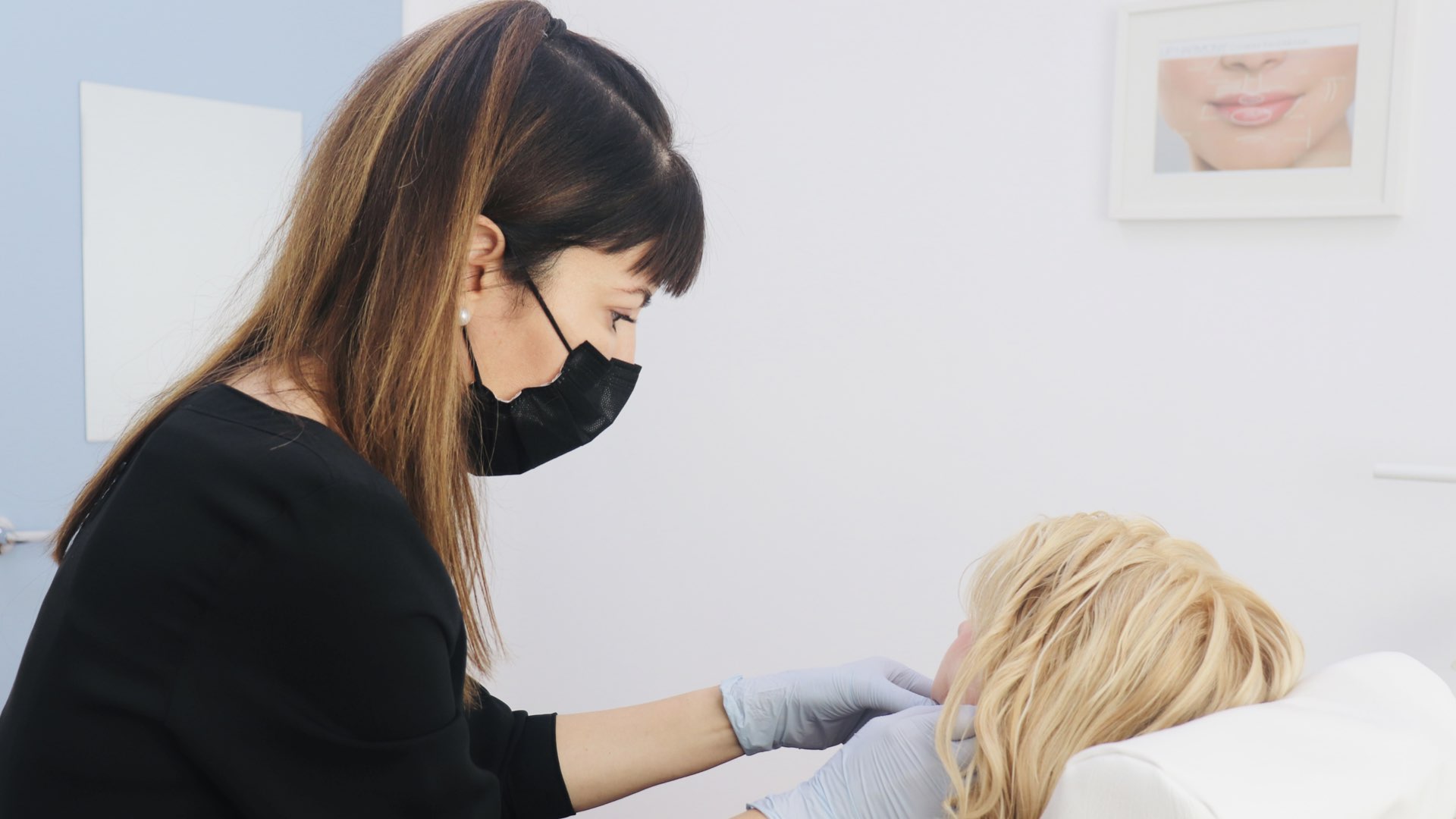
It is always best if you attend without any makeup and a full list of your medical and past treatment history. Many treatments are cosmetic medical procedures, and it is important that during your consultation we have the best background about you, your health and what your skin needs may be.
As part of the cosmetic consultation, we will take photos of you and assess your areas of concern. We will then discuss the best treatment options for you, and determine the prescribed treatment plan. This may be a mixture of treatment options.
Cosmetic Consultation
Pricing and Gallery
To commence the consultation process, view our pricing and before and after gallery, please call us on (03) 98597859, or email us so that we may send you a welcome information pack.
In accordance with guidelines set out by TGA, we can not display our pricing about cosmetic medical treatment, or any before and after photos. When you attend for your consultation, we will provide a good guide of the results you may achieve, along with details of treatment, costs and timelines.
What are the risks of dermal treatments?
To best determine the risks for you, we will need to undertake a thorough consultation. Once we both agree on the treatment procedures required to address your concerns, we will talk about the benefits of treatment, but also the risks. No matter whether we are undertaking a skin treatment or a cosmetic medical treatment that is prescribed for you, there are some risks associated with any treatment.
Some treatments may not be appropriate if:
+ You are pregnant or breastfeeding
+ You are trying to get pregnant
You also need to let your practitioner know if:
+ You have a muscular disease (e.g. Bell's Palsy)
+ You have any blood or nervous system disorders
+ You are taking any medications which affect blood clotting
+ You are taking any medicines
+ You have any psychological concerns
How much will my dermal treatment cost?
We only use treatments and products that are available in Australia, so you can be sure that the level of care is high. Treatment is usually charged per appointment and treatment type. We only use the highest grade devices and products during your treatment as we expect great, predictable outcomes for our patients. We have put together some packages to assist planning. We have these listed in the link below.
Beware of very low prices, as these practitioners may be using a cheap device or product, and usually do not offer a follow up visit to review their work. At Dermal Distinction, we believe that the standard of care should be high.
Our fees are listed HERE
Marionette and Nasolabial treatment
Why do nasolabial folds form?
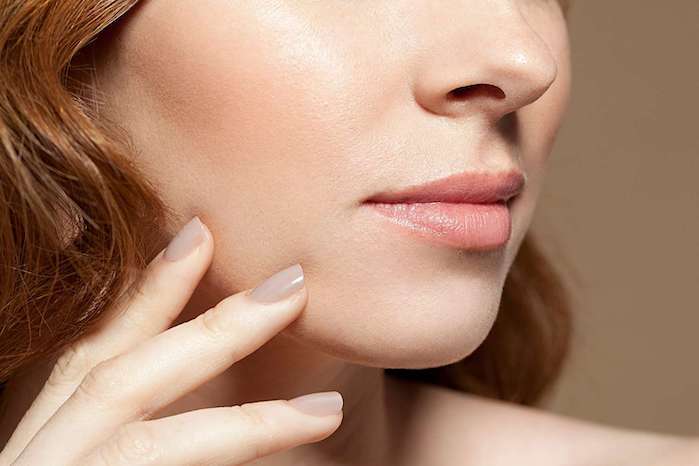
Our face undergoes many changes as we get older. The mid face loses a lot of fat, but the nasolabial fold holds fat firmly. So as the areas around it change, the nasolabial fold becomes more prominent.
Each time we smile, the facial muscles also help to further create a deepening line to accentuate this fold.
What options are there for nasolabial fold reduction?
At Dermal Distinction, we will discuss your particular circumstances with you. For many patients, the best treatment will combine treatment of a few areas to reduce the prominence of both the nasolabial folds, and the marionette lines.
Using cosmetic medical treatments, we can strategically target the cheekbone and mid face, to help re-drape the facial skin.
We can also use treatments directly raimed at the nasolabial fold and marionette lines.
There are also some cosmetic medical treatments that can also soften these lines remarkably well, and with little associated risk.
Book a consult
Let's get you started on your treatment. We will start with a thorough consultation to see what type of skin treatments are right for you.